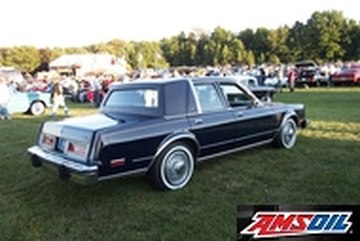
Lubrication Maintenance for the 1981 Chrysler LEBARON 5.2L
Maintaining a vehicle from the early 1980s requires a shift in perspective compared to modern automotive care. For owners of a 1981 Chrysler LEBARON equipped with the 5.2L engine, routine service is not just about following a schedule, but about active monitoring and understanding how aging components interact with fresh lubricants. Proper lubrication management is one of the most effective ways to ensure the continued operation of this powertrain.
Monitoring Fluid Integrity and Condition
Regularly checking the condition of your engine oil can provide significant insight into the overall health of the 5.2L engine. Rather than simply looking at the level on a dipstick, an observant owner should examine the physical characteristics of the lubricant. When you pull the dipstick, pay attention to the color and texture of the fluid.
While oil naturally darkens over time due to use, extreme discoloration or a gritty texture can be a sign that the lubricant is no longer performing its intended role. If the oil appears excessively thick or has a heavy, sludge-like consistency, it may indicate that service intervals have been extended too far or that the engine is experiencing high levels of internal heat. Furthermore, if you notice any unusual odors coming from the crankcase, such as a sharp chemical smell or a scent reminiscent of fuel, this warrants immediate investigation, as it could suggest that combustion byproducts are entering the lubrication system.
It is also useful to look for signs of aeration, where the oil appears foamy or bubbly. This can sometimes be associated with improper ventilation within the crankcase. Keeping a close eye on these visual cues allows you to address potential issues before they escalate into more significant mechanical concerns.
Identifying Potential Seepage and External Leaks
As vehicles age, the various gaskets and seals that maintain the integrity of the lubrication system can undergo changes in their physical properties. For a 1981 Chrysler LEBARON, inspecting for signs of fluid seepage is a vital part of routine maintenance. Rather than waiting for a visible puddle to form on your driveway, perform regular visual inspections of the engine area while the vehicle is stationary.
Look for "wet" areas around the engine block or where different components meet. Dark, oily residue clinging to the exterior of the engine often indicates that a seal or gasket is beginning to weep. This seepage might be slow and gradual, but it is important to identify these spots early. If you notice oil accumulating on lower engine components or near the exhaust area, it could lead to odors or other secondary issues.
When conducting these inspections, also check the condition of any visible hoses or connections that are part of the engine's peripheral systems. While not directly related to the internal lubrication of the 5.2L, the integrity of the surrounding components often dictates how well the engine environment is managed. If you find evidence of moisture or fluid around electrical connectors or wiring, this should be addressed to prevent interference with the vehicle's electrical functions.
Prioritizing Maintenance Based on Current Condition
For long-term ownership of a classic vehicle like the 1981 Chrysler LEBARON, the most effective strategy is to prioritize maintenance based on the actual condition of the machine rather than relying solely on its age. If you have recently acquired the vehicle and do not have access to a comprehensive service history, your first priority should be establishing a baseline.
This involves performing a thorough inspection of all fluids and filters and documenting their state. Once you have established what "normal" looks like for your specific engine, you can more easily identify deviations. If the vehicle has a documented history of consistent service, you can focus on preventive measures. However, if the history is incomplete or inconsistent, you should prioritize addressing any active signs of wear or leakage first.
Effective record-keeping is an essential tool in this process. Maintaining a log of when oil was changed, which products were used, and any observations made during inspections allows you to track trends. For example, if you notice that the engine requires more frequent top-offs than it did six months ago, your records will help you determine if this is a new development or a long-standing characteristic. This data-driven approach helps distinguish between necessary repairs and unnecessary parts replacement.
Observing Operational Warning Signs
Beyond visual inspections, the way the engine behaves during operation can provide clues about its lubrication needs. While many symptoms can have multiple underlying causes, certain changes in behavior should never be ignored. If you notice a change in how the engine sounds—such as new or increased mechanical noise during startup or while idling—it is a signal to investigate further.
Changes in engine performance, such as unexpected hesitation or a change in the smoothness of the idle, can sometimes be linked to the lubrication system's ability to manage heat and friction. Additionally, if you observe any changes in exhaust output, such as smoke that appears different from what you are accustomed to, this warrants a professional inspection. It is important to remember that a single symptom does not provide a definitive diagnosis; rather, it serves as a prompt to look closer at the engine's overall condition.
Managing Aging Engine Components
When maintaining an older 5.2L engine, it is helpful to adopt a mindset of "condition-based" maintenance. This means inspecting components like accessible drive belts (if equipped) for signs of deterioration such as cracking, glazing, or fraying. Similarly, if the vehicle is equipped with various hoses, checking them for softness, brittleness, or swelling can prevent unexpected failures.
The goal is to identify aging materials before they reach a point of failure. This does not mean replacing every rubber or plastic component simply because the car is over forty years old; instead, it means using your regular service intervals as an opportunity to evaluate whether these parts still meet the necessary standards for safe and reliable operation. By focusing on the actual state of the materials, you can manage maintenance costs effectively while ensuring the vehicle remains dependable.
Practical Advice for Buying Engine Oil for a 1981 Chrysler LEBARON 5.2L
When it is time to replenish your engine's lubricant, the most important step is to ensure that the product you select matches the specific requirements of your application. Because different engines and operating environments have unique needs, you should not rely on general assumptions about what an older vehicle might require.
To make an informed purchase, always refer to the vehicle-specific oil viscosity and application information provided on this webpage. This information is the most reliable guide for your 1981 Chrysler LEBARON 5.2L. When you are at the store or ordering online, carefully check the product labels to confirm that the SAE viscosity grade matches what is listed in your application data.
You may encounter various formulations, including conventional oils, synthetic blends, and full synthetic oils. Some high-mileage oil formulations contain additives intended for use in aging engines, and some high-mileage formulations include seal-conditioning additives. While these can be useful options to consider, your primary focus should always be on matching the viscosity and quality standards indicated for your specific engine. Always verify that the oil meets the appropriate API certification listed on the container to ensure it provides the necessary protection for your 5.2L engine.